

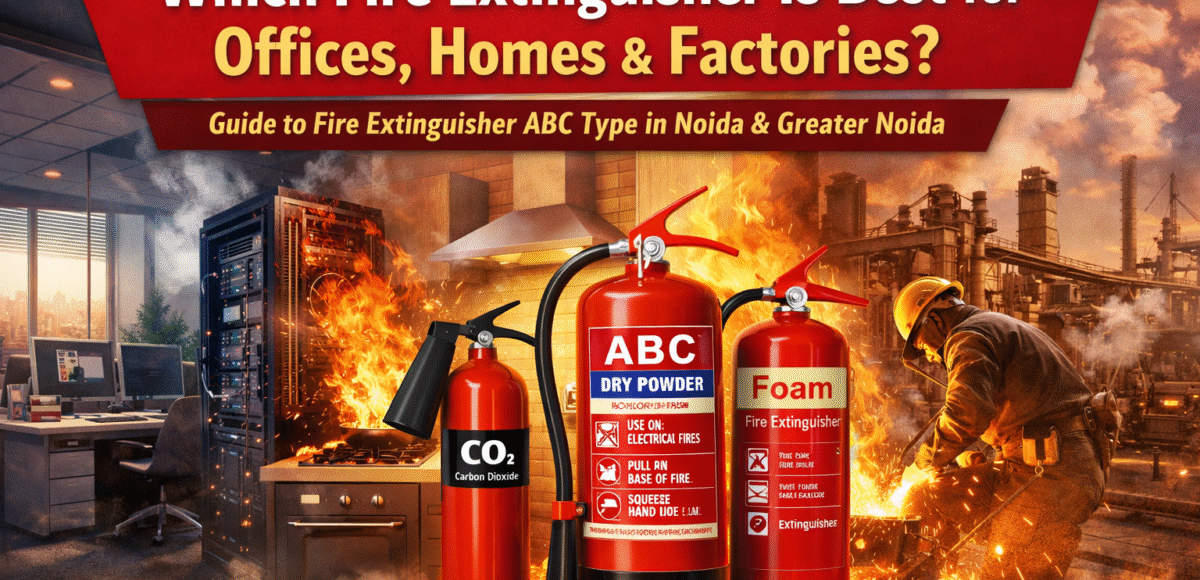
Which Fire Extinguisher Is Best for Offices, Homes & Factories?
Which Fire Extinguisher Is Best for Offices, Homes & Factories? A Practical, Safety-First Guide (Noida & Greater Noida)
Fire safety isn’t just a compliance checklist—it’s the difference between a minor incident and a major loss. Whether you manage an office floor in Noida, live in an apartment, run a warehouse in Greater Noida, or operate an industrial unit near an industrial belt, one question comes up again and again:
Which fire extinguisher is best for offices, homes, and factories?
The honest answer is: the “best” extinguisher depends on the type of fire risk you face. A home kitchen has different hazards than a server room, and a manufacturing floor is very different from a coworking space. The good news is that once you understand fire classes and match the right extinguisher to each risk zone, selecting the right setup becomes easy—and far more effective.
In this detailed guide by Innovative Fire Protection, we’ll break down:
- Fire classes (A, B, C, D, K) in simple terms
- Which extinguisher fits homes, offices, factories, and warehouses
- Where ABC type extinguishers work best (and where they don’t)
- How many extinguishers you need and where to place them
- Maintenance, refilling, and common mistakes to avoid
- Why Fire Extinguisher ABC type in Noida and Fire Extinguisher ABC type in Greater Noida is the most searched safety solution for mixed-risk spaces
Understanding Fire Classes (So You Don’t Buy the Wrong Extinguisher)
Before choosing any extinguisher, you need to understand what can catch fire in your space.
Class A – Solid combustibles
Examples: paper, wood, cloth, cardboard, plastic, furniture
Where common: offices, homes, schools, retail shops, storerooms
Class B – Flammable liquids
Examples: petrol, diesel, paints, solvents, thinners, oils, lubricants
Where common: factories, workshops, garages, warehouses, paint stores
Class C – Electrical fires (energized equipment)
Examples: computers, servers, electrical panels, UPS, printers, wiring
Where common: offices, homes, IT rooms, factories, control panels
Class D – Combustible metals
Examples: magnesium, sodium, aluminium powder, titanium
Where common: specific industrial processes (not typical offices/homes)
Class K (or F) – Cooking oil & fat fires
Examples: deep frying oil, commercial kitchen grease fires
Where common: restaurants, canteens, hotel kitchens, food units
Key takeaway:
Most normal offices and many homes face Class A + Class C, and sometimes Class B (cleaners, fuels, paints). Factories often face A + B + C, and some face D or K depending on operations.
What Is an ABC Fire Extinguisher—and Why It’s So Popular?
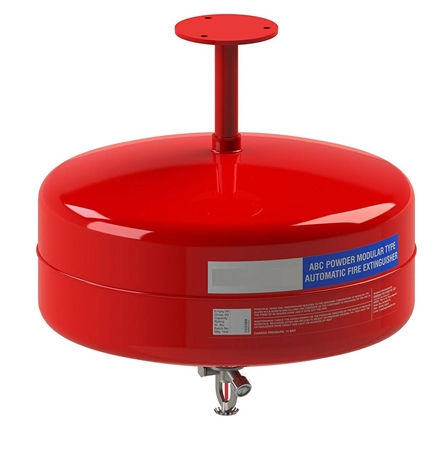
An ABC fire extinguisher is one of the most widely used extinguishers because it covers multiple fire classes:
- A: paper, wood, cloth
- B: flammable liquids like paint, petrol, solvents
- C: electrical equipment (when energized)
Most ABC extinguishers are Dry Chemical Powder (DCP) extinguishers, where the powder knocks down flames by interrupting the chemical reaction and smothering the fire.
That’s why businesses and property owners often search for:
- Fire Extinguisher ABC type in Noida
- Fire Extinguisher ABC type in Greater Noida
Because many spaces are “mixed risk”—with paper, furniture, electrical devices, and occasionally flammable liquids all in the same building.
Which Fire Extinguisher Is Best for Offices?
Offices seem “safe,” but office fires happen more often than people think—mostly due to:
- overloaded plug points and extension boards
- UPS and battery overheating
- server rooms and network racks
- pantry/kitchenette areas
- paper-heavy storage zones
- AC electrical short circuits
Best Extinguishers for Offices (Recommended Mix)
1) ABC (Dry Powder) Extinguisher – Primary choice
Why: offices have Class A + electrical (C) risks, and sometimes Class B risks too.
Ideal placement: open office areas, corridors, near exits, storage rooms.
If you’re buying one versatile extinguisher for a general office floor, Fire Extinguisher ABC type in Noida is typically the first solution for general coverage.
2) CO₂ Extinguisher – Best for electrical panels and server rooms
Why: CO₂ does not leave powder residue, so it’s safer for sensitive electronics.
Ideal placement: server room, electrical panel area, UPS room, printing station zones.
3) Fire Blanket + Wet Chemical (for pantry)
For small office pantries, a fire blanket is very useful for minor cooking flare-ups. If your office has a larger cafeteria kitchen, consider Class K wet chemical extinguishers.
Office-Friendly Setup Example
For a standard office floor:
- ABC extinguishers in corridors and open areas
- CO₂ near server/UPS/electrical panels
- Fire blanket in pantry/kitchenette
Practical rule:
If your office is mainly paper + furniture + computers, ABC + CO₂ is the best combination.
Which Fire Extinguisher Is Best for Homes?
Homes have different fire risks compared to offices. Common causes include:
- kitchen cooking oil accidents
- inverter/UPS battery overheating
- electrical short circuits
- gas leakage
- candles/diya and seasonal lighting
- AC stabilizers and wiring issues
Best Extinguishers for Homes (Recommended Mix)
1) ABC (Dry Powder) Extinguisher – Best all-rounder for homes
This is why many families ask for Fire Extinguisher ABC type in Greater Noida and Fire Extinguisher ABC type in Noida—because homes often have mixed risks too:
- furniture and curtains (Class A)
- inverter batteries and wiring (Class C)
- cleaning liquids, paints, small fuel sources (Class B)
Best locations:
- near main entrance (easy access)
- near kitchen door (not inside the kitchen corner where fire could block access)
- near inverter/UPS area if applicable
2) Fire Blanket – Best for kitchen oil flare-ups
For oil fires, people panic and throw water—this is dangerous because it can splash burning oil. A fire blanket can quickly smother a small pan fire.
3) CO₂ (optional) – If you have an expensive home office / electronics setup
If you have multiple computers, a server, or a high-end home studio, keep a small CO₂ unit near that area.
Home-friendly setup example:
- 1 ABC extinguisher
- 1 fire blanket in kitchen
- Optional CO₂ near electronics
Which Fire Extinguisher Is Best for Factories & Industrial Units?
Factories are high-risk zones because they often include:
- electrical control panels (Class C)
- chemical storage or fuel (Class B)
- packaging materials (Class A)
- welding and hot work
- compressors, oils, lubricants
- solvents, paints, thinners
- machinery heat and friction
Industrial firefighting is not “one extinguisher fits all.” You need zoning and a combination.
Best Extinguishers for Factories (Recommended Mix)
1) ABC (DCP) Extinguishers – Core coverage across most factory areas
Because many factory risks include A + B + C, ABC units are commonly placed along:
- production lines
- corridors
- storage/packing sections
- dispatch areas
- general floor zones
For industrial buyers, Fire Extinguisher ABC type in Greater Noida is often the backbone of their layout due to mixed industrial risk profiles.
2) CO₂ Extinguishers – Control panels & electrical rooms
Use CO₂ near:
- electrical panels
- control rooms
- PLC cabinets
- generator electrical interfaces
- UPS areas
3) Foam Extinguishers – Highly effective for flammable liquids (B class)
If your factory stores paints, solvents, diesel, or oils, foam can be a strong option for Class B areas.
4) Class D Extinguishers – Only for metal fire risk industries
If you deal with combustible metal powders or chips, ABC won’t be enough. You need Class D specific extinguishers for those zones.
5) Wet Chemical – Only for industrial kitchens/canteens
Large canteens need wet chemical extinguishers.
✅ Factory Safety Tip:
Factories should map hazards zone-wise, not just buy extinguishers “in bulk.” Extinguishers must match risk zones and should be supported by training, signage, and maintenance schedules.
ABC vs CO₂ vs Foam vs Water: Which One Should You Choose?
Let’s compare quickly:
ABC (Dry Powder)
Best for: mixed risks (A+B+C), general office/home/factory areas
Pros: versatile, strong knockdown power, widely available
Cons: leaves powder residue; can affect electronics and cleanliness
CO₂
Best for: electrical equipment, server rooms, panels
Pros: clean, no residue, safe for electronics
Cons: less effective on Class A deep fires; requires correct handling; not ideal outdoors due to wind
Foam
Best for: Class B flammable liquids (petrol, solvents)
Pros: excellent for liquid fires, creates a blanket effect
Cons: not suitable for live electrical; needs correct selection
Water (or Water Mist)
Best for: Class A only (paper/wood/cloth)
Pros: simple and effective for Class A
Cons: dangerous on electrical and oil fires if misused
Wet Chemical
Best for: cooking oils and fats (Class K)
Pros: best for deep fryer and oil fires
Cons: limited use outside kitchens
Is ABC Fire Extinguisher Enough for Everything?
Many people assume ABC covers all fires. It covers many, but not all.
Where ABC is excellent
- general office floors
- homes with mixed risk
- packaging areas
- mixed factory floor zones
- stores, showrooms, schools
Where ABC should be supported with other types
- server rooms and IT rooms → add CO₂
- heavy flammable liquid storage → add foam
- metal powder industries → add Class D
- commercial kitchens → add wet chemical
So yes, Fire Extinguisher ABC type in Noida and Fire Extinguisher ABC type in Greater Noida is often the “best starting point,” but the “best system” is usually a combination.
How Many Fire Extinguishers Do You Need?
This depends on:
- area (sq ft)
- number of rooms/zones
- fire load (paper, inventory, chemicals)
- building layout and exits
- floor count and staircases
- occupancy and operations
Common practical approach (easy to apply)
- Ensure every major zone has an extinguisher within quick reach
- Place near exits so people can grab it while staying safe
- Avoid placing them inside the highest-risk corner where the fire may block access
- Ensure visibility using signage and wall-mount brackets
For factories and large offices, an on-site assessment is best to avoid under-protection or wrong placement.
Where Should You Place Fire Extinguishers?
Homes
- near entrance
- kitchen entry area
- near inverter/UPS location
- on each floor (if multi-storey)
Offices
- reception
- corridors near exits
- printer/copier zones
- server room entrance (CO₂)
- pantry areas
Factories
- near electrical panels (CO₂)
- along production line access paths
- flammable storage zones (foam + ABC)
- packing and dispatch areas
- near stairways and exits
Placement rule:
Extinguishers must be accessible within seconds—not hidden behind boxes, curtains, or furniture.
How to Use a Fire Extinguisher: The PASS Method (Simple & Effective)
Train your staff and family on PASS:
P – Pull the safety pin
A – Aim the nozzle at the base of the fire
S – Squeeze the handle
S – Sweep side to side at the base until fire is out
Most people aim at flames. Always aim at the base.
Common Mistakes People Make While Buying Fire Extinguishers
- Buying the wrong type (example: water extinguisher near electrical panel)
- Purchasing only 1 unit for a multi-storey home or large office
- Keeping it in a locked room where no one can access it
- Never training staff/family to use it
- Ignoring service/pressure checks
- Buying cheap, non-standard units without proper support
A fire extinguisher is not a decorative safety item—it’s an emergency tool. It must work instantly.
Maintenance & Refilling: Don’t Skip This
Fire extinguishers need periodic checks such as:
- pressure gauge status
- pin and seal condition
- hose/nozzle blockage
- corrosion or physical damage
- refilling after discharge (even partial use)
- annual servicing as per safety practices
For offices and factories, regular inspection schedules are crucial, especially in compliance-driven environments.
Why ABC Type Extinguisher Is a Smart Choice in Noida & Greater Noida
Noida and Greater Noida have a strong mix of:
- IT parks and offices
- residential societies and high-rises
- warehouses and logistics hubs
- manufacturing units and industrial belts
- schools, hospitals, retail and commercial buildings
In such mixed-risk environments, an ABC extinguisher makes sense as a base-level solution—especially for general coverage.
That’s why demand remains consistently high for:
-
Fire Extinguisher ABC type in Noida
-
Fire Extinguisher ABC type in Greater Noida
But remember: for complete safety, match extinguishers to zones and add CO₂, foam, wet chemical, or Class D where required.
Quick Recommendations: Best Fire Extinguisher by Property Type
Best for Homes
- ABC (primary) + Fire Blanket (kitchen)
- Optional CO₂ for electronics-heavy setups
Best for Offices
- ABC across office floor + CO₂ for server/panels + blanket for pantry
- Wet chemical for commercial kitchens
Best for Factories/Warehouses
- ABC for general + CO₂ for electrical + foam for flammable liquids
- Class D only if metal fire risk exists
Final Thoughts: Safety Isn’t About Buying One Extinguisher—It’s About Buying the Right Mix
So, which fire extinguisher is best for offices, homes, and factories?
If you want one versatile starting point for most spaces, ABC fire extinguishers are among the best because they cover A, B, and C risks.
But the safest setup is always risk-based, combining ABC with CO₂, foam, wet chemical, or Class D depending on your environment.
If you’re looking for the right solution in NCR, Innovative Fire Protection can help you plan the correct extinguisher mix for:
- offices and commercial spaces
- residential societies and homes
- warehouses and factories
- industrial units across Noida & Greater Noida
When you choose correctly—and maintain regularly—you’re not just buying equipment. You’re protecting people, property, and peace of mind.
FAQs
1. Which fire extinguisher is best for an office environment?
For most offices, an ABC dry powder extinguisher is the best all-rounder because offices face Class A risks (paper, furniture) and Class C risks (computers, wiring). Many offices also have small Class B risks such as cleaning liquids or pantry-related hazards. For sensitive electronic areas like server rooms, add a CO₂ extinguisher because it leaves no residue. A practical office setup usually includes ABC units in corridors and open zones, and CO₂ near electrical panels and server racks for clean and effective fire control.
2. Is ABC fire extinguisher good for home use?
Yes, an ABC extinguisher is one of the best choices for home use because homes can face multiple fire risks—curtains and furniture (Class A), electrical short circuits (Class C), and occasional flammable liquids like paint or cleaning solutions (Class B). That’s why many homeowners look for Fire Extinguisher ABC type in Noida and Fire Extinguisher ABC type in Greater Noida as a primary safety solution. For kitchens, keep a fire blanket as well, especially for small oil flare-ups where water should never be used.
3. Which fire extinguisher is best for factories?
Factories usually need a combination. ABC extinguishers are essential for general areas because factory risks often include Class A, B, and C fires. Electrical control panels and machinery rooms should also have CO₂ extinguishers. If the factory stores fuels, oils, paints, or solvents, foam extinguishers can be very effective. Some specialized factories that handle metal powders may also require Class D extinguishers. The best factory setup is based on zone mapping—each section gets the right extinguisher type and correct placement.
4. Can I use a water fire extinguisher on electrical fires?
No, water extinguishers should not be used on energized electrical fires because they can cause electric shock and worsen the situation. Electrical fires require CO₂ or dry powder extinguishers, depending on the environment. CO₂ is preferred where electronics are sensitive because it leaves no residue. In general office or factory areas where mixed fire risk exists, ABC dry powder units are common and useful. Always ensure proper training so users can choose the right extinguisher in an emergency.
5. What is the difference between ABC and CO₂ fire extinguishers?
An ABC extinguisher (usually dry powder) is designed for Class A, B, and C fires—paper/wood, flammable liquids, and electrical fires. It’s versatile and ideal for general coverage in homes, offices, and many industrial areas. CO₂ extinguishers are best for electrical fires and equipment because they don’t leave powder residue, making them suitable for server rooms, panels, and sensitive electronics. However, CO₂ is not as effective for deep-seated Class A fires. Many properties use both for better protection.
6. Which extinguisher should be kept in a kitchen?
For home kitchens, a fire blanket is very useful for smothering small pan fires. If you have a commercial kitchen, a wet chemical (Class K) extinguisher is best for cooking oil and grease fires because it creates a soapy layer that cools and seals the oil surface. ABC extinguishers can work in some kitchen situations, but they are not the best primary option for deep oil fires. The safest approach is to combine a fire blanket with the right extinguisher type based on your kitchen size and cooking setup.
7. How many fire extinguishers should a home have?
A typical home should have at least one ABC extinguisher, but multi-storey homes should have one on each floor for quick access. Ideally, place one near the main entrance or staircase and another near the kitchen entry area. If you use an inverter/UPS system, consider placement near that zone too. Having an extinguisher is not enough—everyone at home should know where it is and how to use it. Regular checks ensure it works when needed.
8. Where should fire extinguishers be installed in an office?
In offices, place extinguishers along corridors, near exits, reception areas, and near higher-risk zones like printer rooms or storage rooms. CO₂ extinguishers should be installed near electrical panels, UPS areas, and server rooms. Avoid placing extinguishers inside locked rooms or behind furniture. Wall mounting with clear signage is best. Accessibility is key—during an emergency, employees should be able to spot and reach the extinguisher within seconds.
9. Is ABC extinguisher safe for electronics?
ABC extinguishers can be used for electrical fires, but they release dry chemical powder that can damage sensitive electronics or make cleanup difficult. For server rooms, computer labs, and electrical control panels, CO₂ extinguishers are preferred because they are clean and leave no residue. In mixed-use areas like general offices, ABC extinguishers are still widely used because they provide broad protection. A smart approach is to use ABC for general coverage and CO₂ specifically for electronics-heavy zones.
10. What does “ABC type” mean on a fire extinguisher?
ABC refers to the classes of fire the extinguisher can handle: Class A (wood, paper, cloth), Class B (flammable liquids like petrol and solvents), and Class C (electrical fires involving energized equipment). ABC extinguishers are commonly dry powder units and are popular because they cover a wide range of common fire risks. This is why many people search for Fire Extinguisher ABC type in Greater Noida and Fire Extinguisher ABC type in Noida when they want a reliable all-purpose extinguisher for homes, offices, or mixed commercial spaces.
11. Should factories rely only on ABC extinguishers?
Not always. ABC extinguishers are essential for general factory coverage, but factories often require additional types based on hazards. Electrical rooms need CO₂ extinguishers. Fuel or solvent storage zones may need foam extinguishers. Metal powder industries need Class D extinguishers. The best factory protection strategy uses ABC as a base and then adds specialized extinguishers for higher-risk zones. This approach reduces response time, improves effectiveness, and supports safety compliance and risk control.
12. How do I use a fire extinguisher correctly?
Use the PASS method: Pull the pin, Aim at the base of the fire, Squeeze the handle, and Sweep side to side. The most common mistake is aiming at the flames instead of the base. Keep a safe distance, ensure you have an exit behind you, and never let the fire block your escape route. If the fire grows quickly or smoke becomes intense, evacuate and call emergency services. Training staff and family members is crucial for effective and calm response.
13. How often should fire extinguishers be serviced?
Fire extinguishers should be checked periodically for pressure, pin seal condition, and physical damage. Many organizations follow scheduled inspections and annual servicing practices to ensure readiness. If an extinguisher is used—even partially—it should be refilled and inspected. Businesses, factories, and offices should maintain a service record and ensure the extinguisher remains accessible and properly mounted. Regular maintenance is not optional—it’s the only way to ensure the unit will function correctly in an emergency.
14. Can I keep one extinguisher for the whole building?
For small spaces, one extinguisher may seem enough, but it’s not always practical or safe. Fires spread fast, and access matters. Large homes, offices, and factories should have multiple extinguishers placed strategically so someone can reach one quickly without moving toward the fire. Multi-floor buildings need extinguishers on each floor, ideally near staircases and exits. A well-planned distribution is more important than buying a single high-capacity unit and keeping it far away.
15. Which is the best “all-purpose” fire extinguisher for Noida and Greater Noida properties?
For many properties with mixed risk—like offices, shops, warehouses, apartments, and small industrial units—an ABC dry powder extinguisher is one of the best all-purpose choices. It handles Class A, B, and C fires, which are common across most environments. That’s why Fire Extinguisher ABC type in Noida and Fire Extinguisher ABC type in Greater Noida is a highly practical solution for broad coverage. For complete protection, add CO₂ for electronics and foam or wet chemical where specific risks exist.


Leave a Comment