




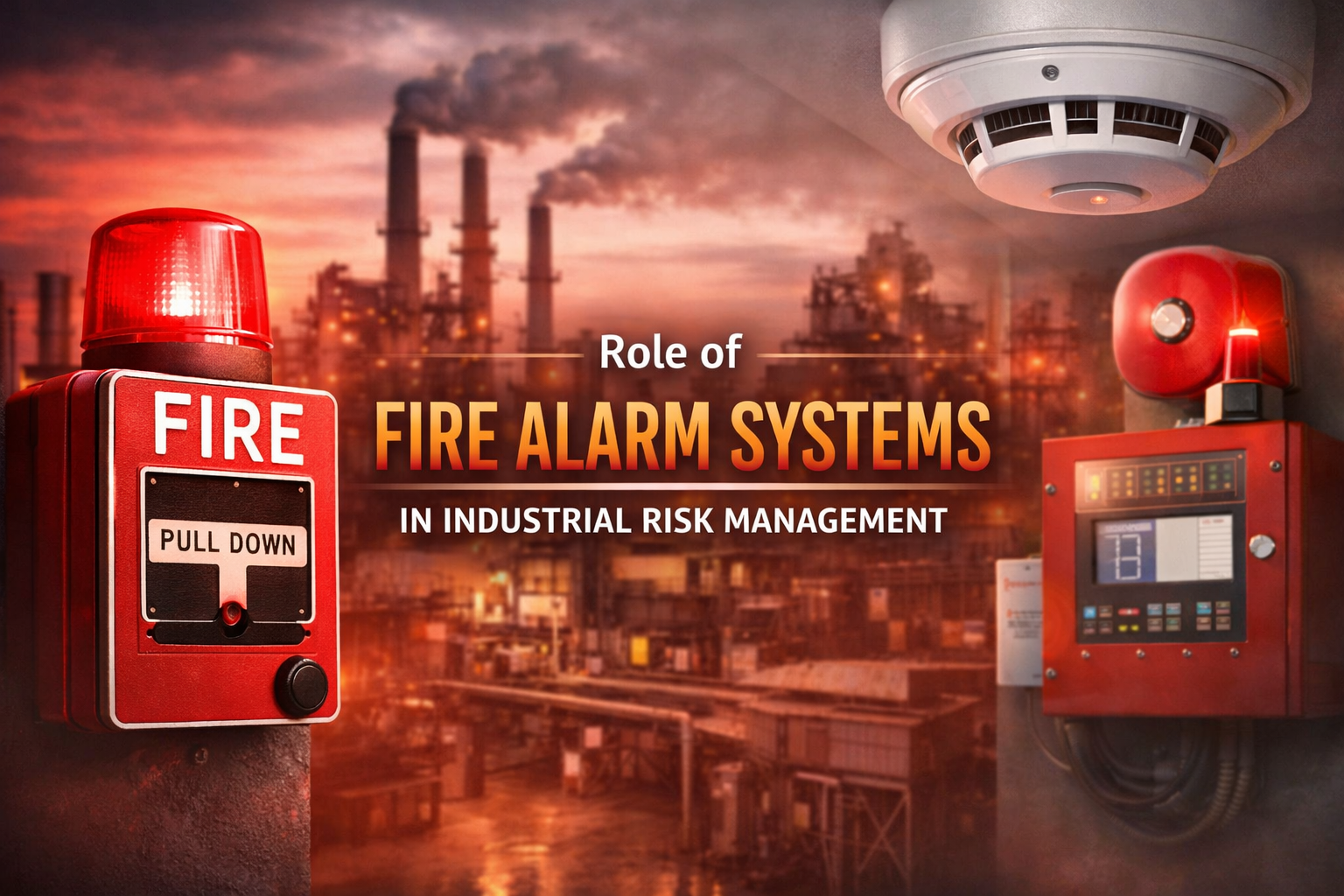
Role of Fire Alarm Systems in Industrial Risk Management
1. Introduction: Why Industrial Fire Safety Cannot Be Ignored
Fire Alarm Systems in Industrial Risk Management – Industrial growth in India has accelerated rapidly over the past decade, with manufacturing hubs, warehouses, chemical plants, and logistics facilities expanding across cities like Noida, Gurgaon, and Pune. However, with this growth comes an increasing risk—industrial fires. Every year, hundreds of factories face devastating fire incidents, leading to massive financial losses, operational disruptions, and, most importantly, loss of human lives.
Fires in industrial environments are far more dangerous than in residential or commercial spaces. They involve flammable chemicals, heavy machinery, electrical systems, and high-energy processes. A single spark can escalate into a large-scale disaster within minutes. The consequences are not just immediate damage but long-term business shutdowns, legal penalties, and loss of reputation.
This is where proactive industrial risk management becomes essential. Instead of reacting to disasters after they occur, industries must focus on early detection and prevention strategies. One of the most critical components of this approach is the implementation of Fire Alarm Systems in Industrial Risk Management.
Fire alarm systems are not just devices—they are life-saving technologies that provide early warnings, enable quick evacuation, and reduce damage significantly. In modern industrial setups, they act as the first line of defense against fire hazards.
In this blog, we will explore how Fire Alarm Systems in Industrial Risk Management play a vital role in protecting industries, ensuring compliance, and maintaining business continuity.
2. Understanding Industrial Risk Management
Industrial risk management refers to the systematic process of identifying, assessing, and mitigating risks that can affect industrial operations. These risks can arise from various sources, including operational failures, environmental hazards, human errors, and equipment malfunctions.
Types of Industrial Risks
- Fire Risks
Fires are the most dangerous and unpredictable risks in industrial environments. They spread rapidly and can cause irreversible damage. - Chemical Risks
Exposure to hazardous chemicals can lead to explosions, toxic leaks, and fires. - Electrical Risks
Faulty wiring, overloaded circuits, and equipment failures can trigger fires. - Mechanical Risks
Machinery breakdowns and overheating can lead to ignition.
Why Fire Risk Is the Most Critical
Among all industrial risks, fire risk stands out due to its ability to escalate quickly. Unlike mechanical failures that can be contained, fires spread rapidly and affect multiple systems simultaneously. They can damage infrastructure, destroy inventory, and endanger lives within minutes.
Role of Safety Systems
Industrial safety systems are designed to reduce these risks. These include:
- Fire alarm systems
- Fire suppression systems
- Emergency evacuation systems
- Safety monitoring tools
Among these, Fire Alarm Systems in Industrial Risk Management are the most crucial because they provide early detection, which is the key to preventing large-scale disasters.
Without early detection, even the most advanced suppression systems may fail to control the fire effectively. Hence, fire alarm systems form the backbone of any industrial safety strategy.
3. Common Causes of Industrial Fires
Understanding the causes of industrial fires is essential for effective risk management. Most industrial fires occur due to preventable factors.
1. Electrical Short Circuits
Electrical faults are one of the leading causes of industrial fires. Overloaded circuits, damaged wiring, and poor maintenance can lead to sparks that ignite nearby materials.
2. Flammable Materials & Chemicals
Industries dealing with chemicals, fuels, and gases are highly vulnerable. Improper storage or handling of flammable substances can lead to explosions and fires.
3. Overheating Machinery
Continuous operation of machinery without proper cooling can lead to overheating, which may ignite nearby materials.
4. Human Negligence
Careless behavior such as smoking, ignoring safety protocols, or mishandling equipment can trigger fires.
5. Poor Maintenance
Lack of regular inspections and maintenance increases the risk of system failures and fire incidents.
Real-World Examples
- Factories: Electrical faults in production lines
- Warehouses: Combustible goods catching fire
- Oil Plants: Leakage leading to explosions
- Textile Units: Fabric ignition due to heat
In all these cases, Fire Alarm Systems in Industrial Risk Management could have played a crucial role by detecting the fire at an early stage and triggering immediate action.
4. What Are Fire Alarm Systems?
A fire alarm system is an integrated system designed to detect fire at an early stage and alert occupants and authorities.
Definition
Fire alarm systems are electronic devices that identify signs of fire—such as smoke, heat, or flames—and trigger alarms to warn people.
How Fire Alarm Systems Work
- Detection of smoke or heat
- Signal sent to control panel
- Alarm activation
- Notification to occupants and emergency services
Key Components
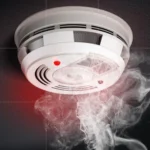
- Smoke Detectors: Detect smoke particles
- Heat Detectors: Identify temperature rise
- Control Panel: Central system that processes signals
- Alarm Devices: Sirens, bells, or voice alarms
Early Detection Concept
The primary goal of fire alarm systems is early detection. The earlier a fire is detected, the easier it is to control.
This is why Fire Alarm Systems in Industrial Risk Management are considered essential—they act before the fire becomes uncontrollable.
5. Types of Fire Alarm Systems Used in Industries
Different industries require different types of fire alarm systems based on their size and risk level.
1. Conventional Fire Alarm Systems
- Divided into zones
- Cost-effective
- Suitable for small industries
2. Addressable Fire Alarm Systems
- Identifies exact location of fire
- Advanced technology
- Ideal for large facilities
3. Wireless Fire Alarm Systems
- Easy installation
- No wiring required
- Suitable for temporary setups
4. Hybrid Systems
- Combination of wired and wireless
- Flexible and scalable
Differences & Use Cases
| System Type | Best For | Advantage |
|---|---|---|
| Conventional | Small factories | Low cost |
| Addressable | Large industries | Precise detection |
| Wireless | Warehouses | Easy setup |
| Hybrid | Complex facilities | Flexibility |
Choosing the right system is crucial for effective Fire Alarm Systems in Industrial Risk Management.
6. How Fire Alarm Systems Support Industrial Risk Management (Core Section)
The role of Fire Alarm Systems in Industrial Risk Management is critical and multi-dimensional.
1. Early Fire Detection
Fire alarm systems detect fire at the earliest stage, preventing escalation.
2. Real-Time Alerts
Immediate alerts allow quick response from employees and emergency teams.
3. Evacuation Support
Alarms guide workers to evacuate safely, reducing casualties.
4. Minimizing Damage
Early action limits damage to machinery, inventory, and infrastructure.
5. Integration with Suppression Systems
Fire alarm systems can activate sprinklers and other suppression systems automatically.
Why It Matters
Without fire alarm systems, industries rely on manual detection, which is often too late.
That’s why Fire Alarm Systems in Industrial Risk Management are not optional—they are essential.
7. Importance of Fire Alarm Systems in Different Industrial Sectors
Manufacturing Plants
Continuous machinery operations increase fire risk.
Warehouses
Highly combustible materials require early detection.
Chemical Industries
Presence of hazardous chemicals makes fire extremely dangerous.
Oil & Gas
High risk of explosions demands advanced alarm systems.
Textile Units
Fabric and fibers ignite easily.
In all these sectors, Fire Alarm Systems in Industrial Risk Management ensure safety and operational continuity.
8. Consequences of Not Having Fire Alarm Systems
Industries without fire alarm systems face severe consequences:
- Financial Losses: Damage to assets and production loss
- Legal Penalties: Non-compliance fines
- Loss of Life: Risk to employees
- Business Shutdown: Temporary or permanent closure
- Reputation Damage: Loss of trust
Ignoring Fire Alarm Systems in Industrial Risk Management can be catastrophic.
9. Government Regulations & Fire Safety Compliance in India
India has strict fire safety regulations under:
- National Building Code (NBC)
- Factory Act
- Local fire department rules
Industries must install fire safety systems to comply with regulations.
In industrial hubs like Noida, authorities emphasize the use of advanced systems. Implementing a fire alarm system in Noida is not just a safety measure but also a legal requirement.
Compliance ensures safety and avoids penalties, making Fire Alarm Systems in Industrial Management a necessity.
10. Key Features to Look for in Industrial Fire Alarm Systems
- High sensitivity sensors
- Automation
- Remote monitoring
- Integration capability
- Reliability
These features enhance the effectiveness of Fire Alarm Systems in Industrial Risk Management.
11. Integration with Other Fire Protection Systems
Fire alarm systems work best when integrated with:
- Sprinkler systems
- Fire extinguishers
- Smoke control systems
- Emergency lighting
Integration strengthens Fire Alarm Systems in Industrial Risk Management.
12. Choosing the Right Fire Alarm System Provider
When selecting a provider, consider:
- Experience
- Certifications
- After-sales support
- Custom solutions
If you are operating in industrial areas like Noida, choosing a reliable provider for a fire alarm system in Noida ensures compliance and safety.
13. Installation, Testing & Maintenance
Proper installation and maintenance are critical.
- Professional installation
- Routine testing
- Regular maintenance
- System upgrades
Well-maintained systems improve Fire Alarm Systems in Industrial Risk Management effectiveness.
14. Future Trends in Industrial Fire Safety Systems
- IoT-based monitoring
- AI-based detection
- Remote alerts
These innovations are shaping the future of Fire Alarm Systems in Industrial Risk Management.
15. Case Study / Real-Life Example
A manufacturing unit experienced a small electrical spark that triggered the fire alarm system. Immediate alerts allowed workers to evacuate, and suppression systems controlled the fire quickly.
This incident highlights the importance of Fire Alarm Systems.
16. Conclusion: Why Fire Alarm Systems Are Essential for Industrial Safety
Industrial fires are unpredictable and dangerous. The best way to manage them is through early detection and quick response.
Fire Alarm Systems in Industrial Risk Management play a crucial role in:
- Saving lives
- Reducing losses
- Ensuring compliance
- Maintaining business continuity
In today’s industrial environment, fire alarm systems are not optional—they are essential for survival and success.
FAQs
1. What are Fire Alarm Systems in Industrial Risk Management?
Fire Alarm Systems in Industrial Risk Management are safety systems designed to detect fire hazards at an early stage and alert people instantly. These systems use sensors like smoke detectors, heat detectors, and control panels to identify potential fire threats. In industrial environments, where fire risks are high due to machinery, chemicals, and electrical systems, early detection is critical. By providing timely alerts, these systems help prevent large-scale damage, ensure safe evacuation, and reduce risks to life and property, making them an essential component of industrial safety planning.
2. Why are Fire Alarm Systems important in industrial environments?
Fire Alarm Systems in Industrial are crucial because industrial setups are highly vulnerable to fire hazards. Factories, warehouses, and chemical plants contain flammable materials and heavy machinery, increasing fire risks. These systems provide early warnings, allowing quick response and evacuation. Without them, fires can spread rapidly, causing massive losses. They also help industries comply with safety regulations and avoid legal penalties. Overall, fire alarm systems play a key role in protecting employees, assets, and business continuity in high-risk industrial environments.
3. How do Fire Alarm Systems in Industrial Risk Management work?
Fire Alarm Systems in Industrial work by continuously monitoring the environment for signs of fire, such as smoke, heat, or flames. When a detector senses abnormal conditions, it sends a signal to the control panel. The panel then activates alarms like sirens or voice alerts to warn occupants. In advanced systems, alerts can also be sent to emergency services automatically. This rapid detection and alert mechanism ensures immediate action, helping industries control fires before they escalate into major disasters.
4. What are the main types of Fire Alarm Systems used in industries?
There are several types of Fire Alarm Systems, including conventional, addressable, wireless, and hybrid systems. Conventional systems divide the facility into zones, while addressable systems pinpoint the exact location of a fire. Wireless systems are easy to install and ideal for flexible setups, while hybrid systems combine wired and wireless technologies. The choice depends on the size, complexity, and risk level of the industry. Selecting the right system ensures efficient fire detection and better overall safety.
5. What industries need Fire Alarm Systems the most?
Fire Alarm Systems in Industrial Risk Management are essential for industries with high fire risks. These include manufacturing plants, chemical industries, oil and gas facilities, warehouses, and textile units. Such environments often deal with flammable materials, high temperatures, and heavy machinery, making them more prone to fire incidents. Installing fire alarm systems in these sectors helps detect hazards early, minimize damage, and protect workers. Even low-risk industries benefit from these systems as part of a comprehensive safety strategy.
6. What happens if industries do not install Fire Alarm Systems?
Without Fire Alarm Systems in Industrial Risk Management, industries face severe consequences. Fires may go undetected until they become uncontrollable, leading to significant financial losses and damage to infrastructure. There is also a high risk of injury or loss of life among employees. Additionally, industries may face legal penalties for non-compliance with fire safety regulations. Business operations can be disrupted or even permanently shut down. Therefore, installing fire alarm systems is not just a safety measure but a critical business necessity.
7. Are Fire Alarm Systems mandatory for industries in India?
Yes, Fire Alarm Systems in Industrial Risk Management are mandatory for many industries in India under regulations like the National Building Code (NBC) and the Factory Act. Local fire departments also enforce safety guidelines to ensure industries are equipped with proper fire protection systems. Compliance is essential not only to avoid legal issues but also to ensure the safety of employees and assets. Industries that fail to meet these requirements may face fines, shutdowns, or legal action, making fire alarm systems a compulsory investment.
8. What features should you look for in industrial Fire Alarm Systems?
When selecting Fire Alarm Systems in Industrial Risk Management, industries should look for features like high sensitivity detectors, automation, real-time alerts, and remote monitoring. Integration with other safety systems such as sprinklers and emergency lighting is also important. Reliability and scalability are key factors, especially for large industrial facilities. Advanced systems may include IoT and AI-based detection for improved accuracy. Choosing the right features ensures effective fire detection and enhances overall industrial safety.
9. How often should Fire Alarm Systems be tested and maintained?
Regular testing and maintenance are essential for Fire Alarm Systems in Industrial Risk Management to function effectively. Industries should conduct routine inspections, typically monthly or quarterly, depending on system complexity and regulations. Annual professional servicing is also recommended to ensure all components are working properly. Maintenance includes checking detectors, control panels, and alarm devices. A well-maintained system ensures quick response during emergencies and reduces the risk of system failure when it is needed most.
10. What is the future of Fire Alarm Systems in Industrial Risk Management?
The future of Fire Alarm Systems in Industrial Risk Management is driven by advanced technologies like IoT, artificial intelligence, and automation. Smart fire alarm systems can monitor conditions in real time and send alerts to mobile devices. AI-based detection improves accuracy and reduces false alarms. Integration with building management systems enhances overall safety. As industries move towards digital transformation, fire alarm systems will become more intelligent, efficient, and proactive in preventing fire-related risks.


Leave a Comment